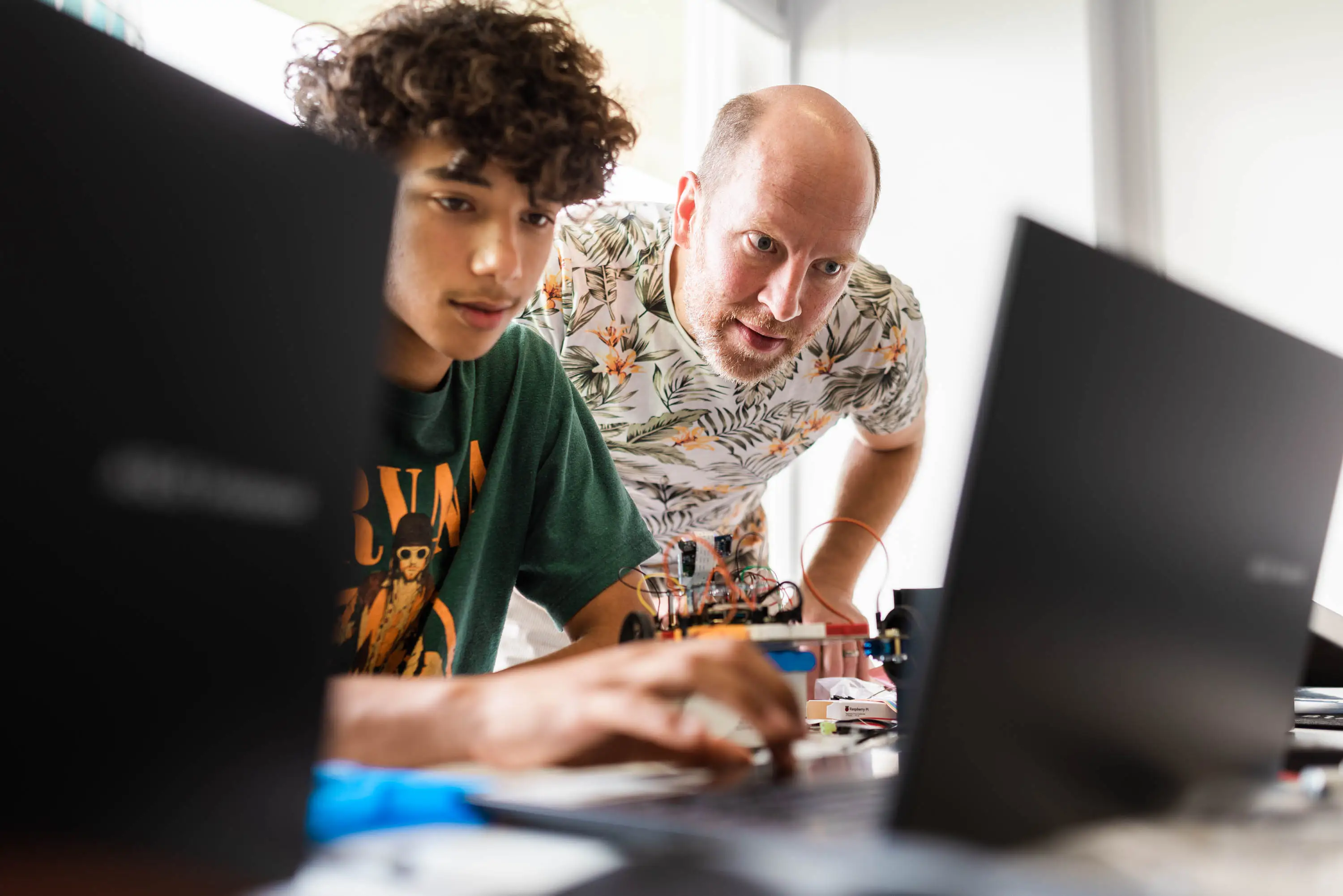
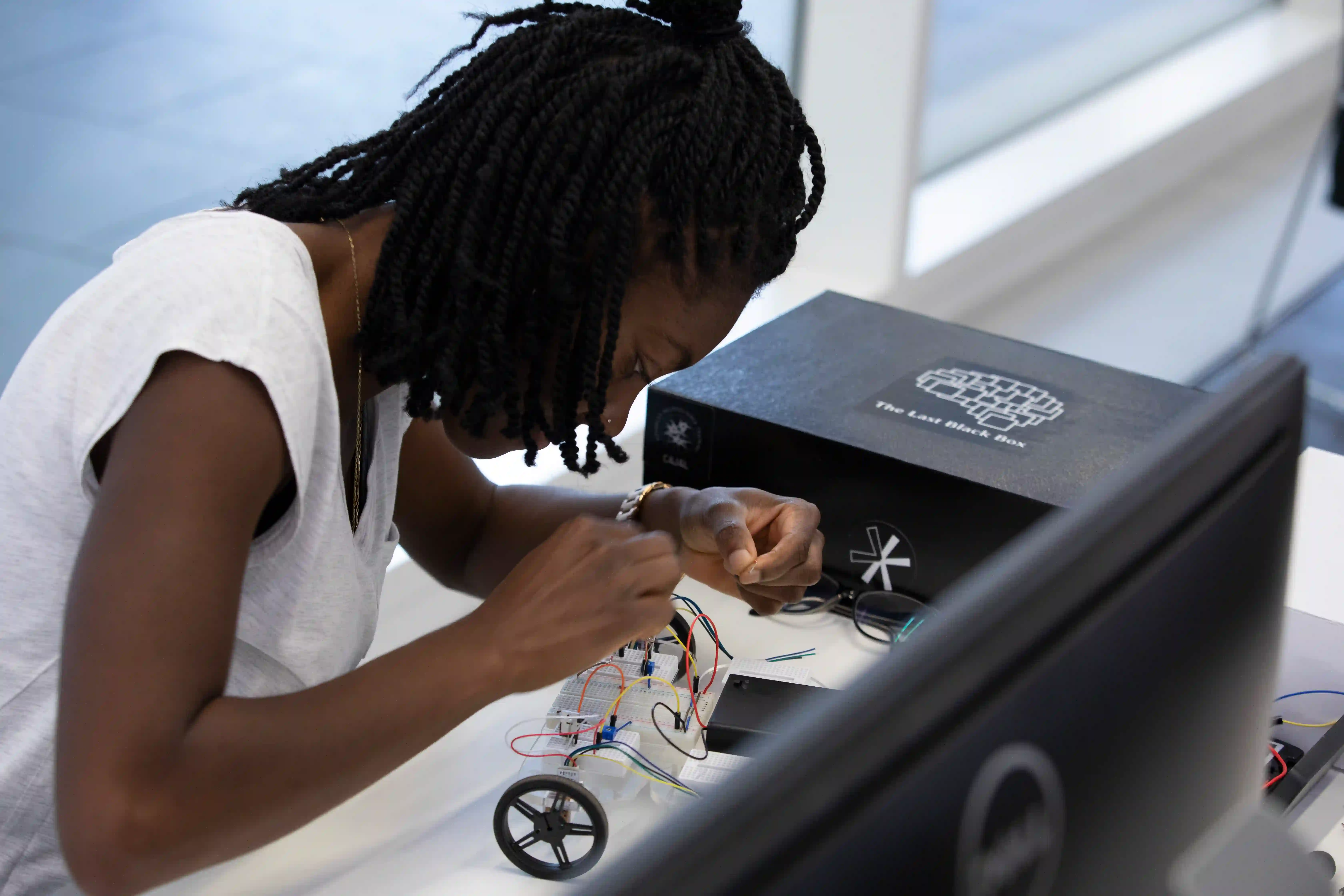
For 15 years we trained Master's and PhD students at leading international institutions. The curriculum was demanding, hands-on, and built on one belief: you only truly understand something when you build it yourself.
Everything we taught to elite researchers — how circuits work, how computers think, how AI sees — is knowledge that everyone deserves. The gap between what experts know and what everyone else is taught is not inevitable. It's a choice. We chose differently.
We took everything learned over 15 years of training scientists and rebuilt it from the ground up — accessible, hands-on, and connected to real technology. What was once taught only to a few is now available to anyone, anywhere.
Not a startup idea. Not a weekend project. The No Black Boxes curriculum grew from many years of teaching some of the world's most advanced learners — and learning, every time, how to make it better.
The No Black Boxes team developed and delivered training materials for Master's and PhD students at leading international institutions. These courses focused on advanced technologies in neuroscience and experimental science — hands-on, from first principles, nothing hidden.
We began developing a new curriculum to offer courses to anyone, anywhere — curious learners who want to understand how the technology they use actually works. The first online course launched during the COVID-19 pandemic together with the Cajal Programme. Since then, we have trained over 2,000 students from more than 60 countries worldwide.
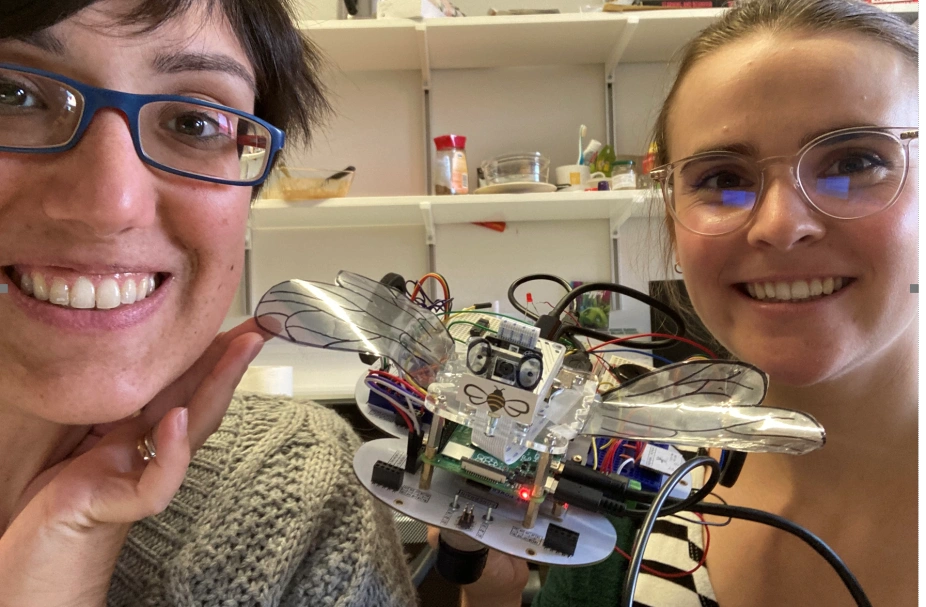
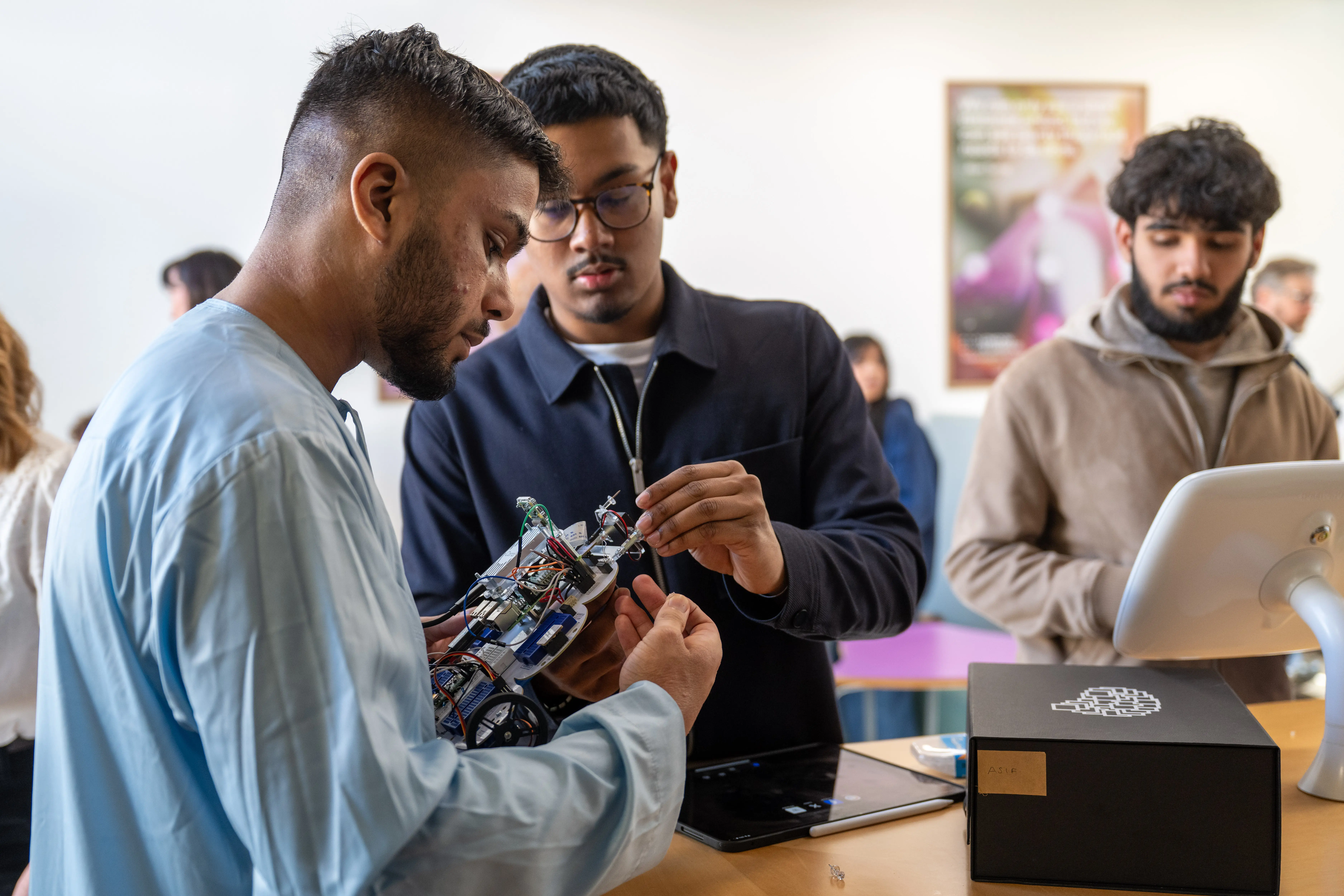
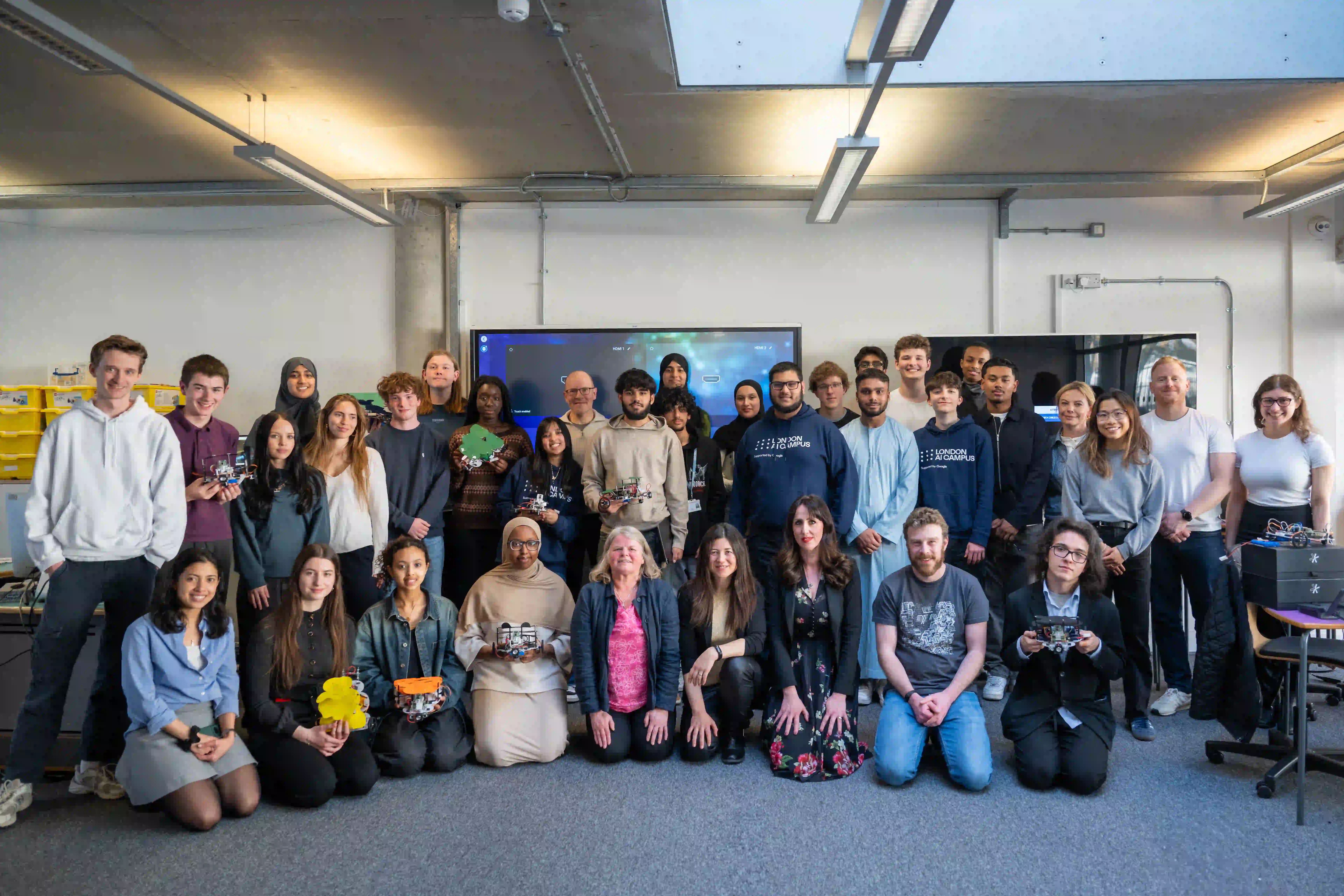
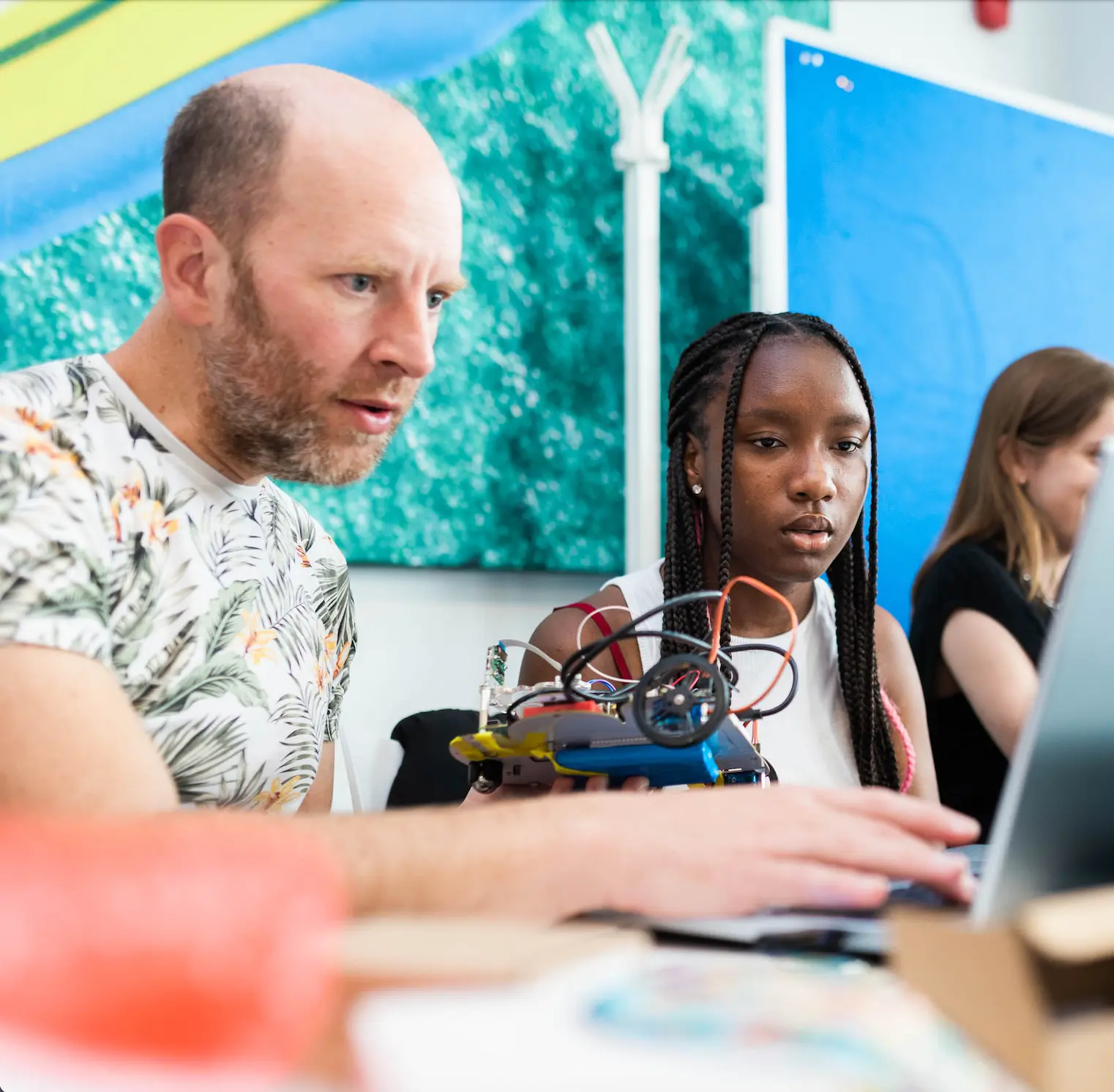
We began adapting the curriculum to create engaging material for secondary-school students. This became the Build a Brain course at the new London AI Campus — first taught in London schools, and now available to anyone. The NB3 robot was designed specifically for this course: a complete, hands-on system that takes learners from a single circuit to a working AI.
We established a Foundation in memory of our founder, Adam Kampff, with the goal of making high-quality technology education accessible to everyone — without barriers. The Foundation preserves and develops Adam's vision, guided by a board of trustees and a growing team of educators, researchers, and collaborators.
Over more than 15 years, Adam Kampff and Elena Dreosti — both neuroscientists — developed a new educational approach combining neuroscience, electronics, computing, and hands-on learning to teach how modern technology really works.
Over the years, this approach was shaped, expanded, and refined through their collaboration with students, educators, and researchers from around the world. The parallel Adam drew between understanding the brain and understanding technology became the foundation of everything No Black Boxes teaches — a vision that Elena continues to develop and carry forward today.
"You only truly understand something when you can build it yourself — and when you can see, clearly, every layer beneath it."
Following Adam's death, Elena Dreosti established the No Black Boxes Foundation to preserve, develop, and scale his approach — so it can reach future generations of learners. Guided by a board of trustees and a growing team of educators, researchers, and collaborators, the Foundation ensures that high-quality technology education remains accessible to everyone, without barriers.
Learn more about the Foundation →