The hardware
The NB3
Robot
Not a kit you snap together. A system you build from first principles — one layer at a time, from a single circuit to a working AI. Every wire visible. Nothing hidden.
NB3 / REV.04
2026
Not a kit you snap together. A system you build from first principles — one layer at a time, from a single circuit to a working AI. Every wire visible. Nothing hidden.
Every component is the same technology used by researchers and engineers. Not simplified, not simulated — the actual parts. And when the course ends, the hardware is yours to repurpose for whatever comes next.
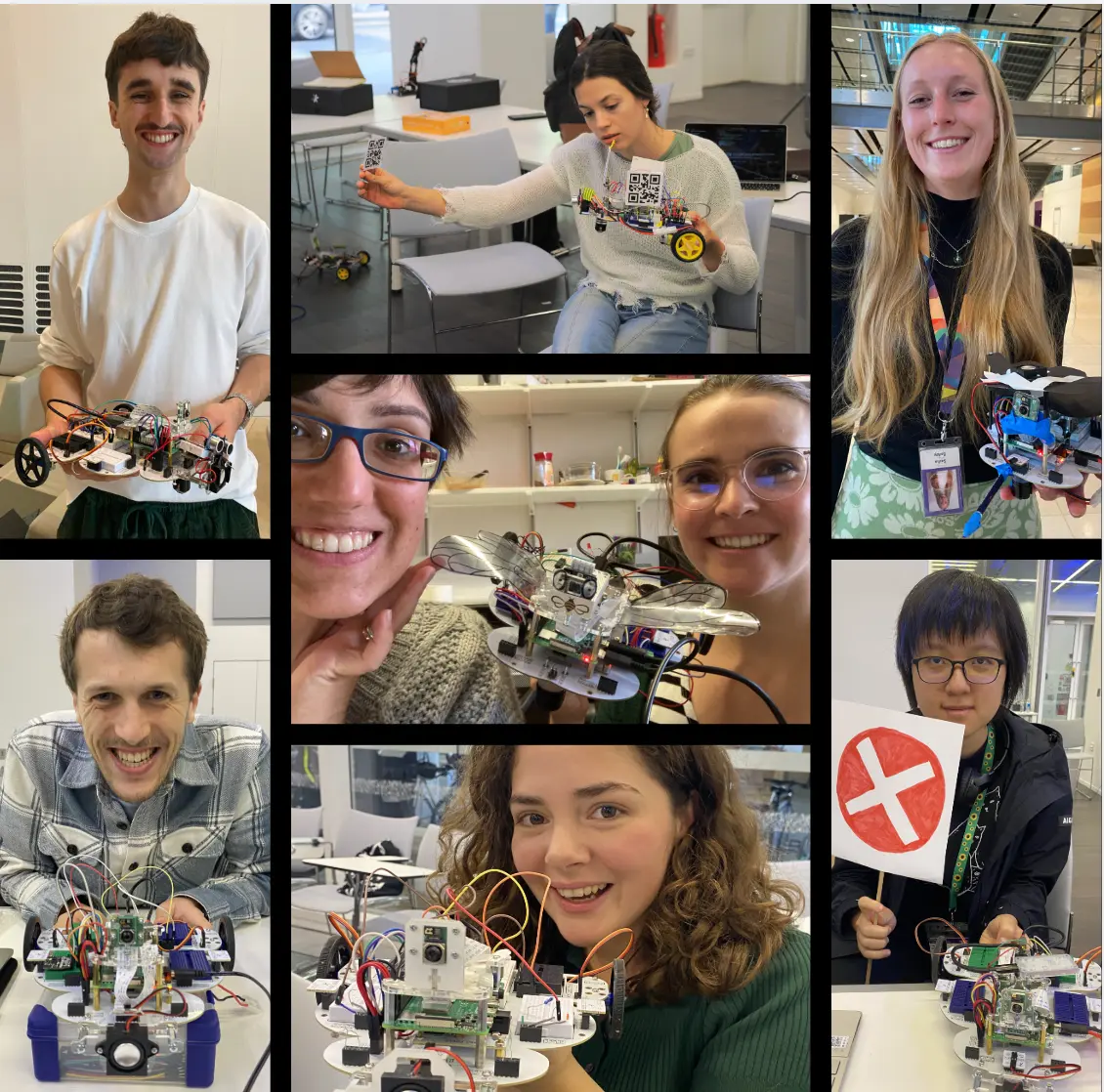
Every design choice, experiment, and extension makes your NB3 diverge from every other. It's not a standardised kit with a fixed outcome — it becomes a unique expression of your understanding.
The NB3 mirrors the structure of a vertebrate nervous system — spine, hindbrain, cortex, perception layer. As you build it, you're not just assembling a robot. You're growing an artificial brain, layer by layer.
As you progress, the robot grows — from a single circuit to a full intelligent system. Hardware and software are always introduced together. Every component is real. Every system is the same technology used by engineers and researchers.
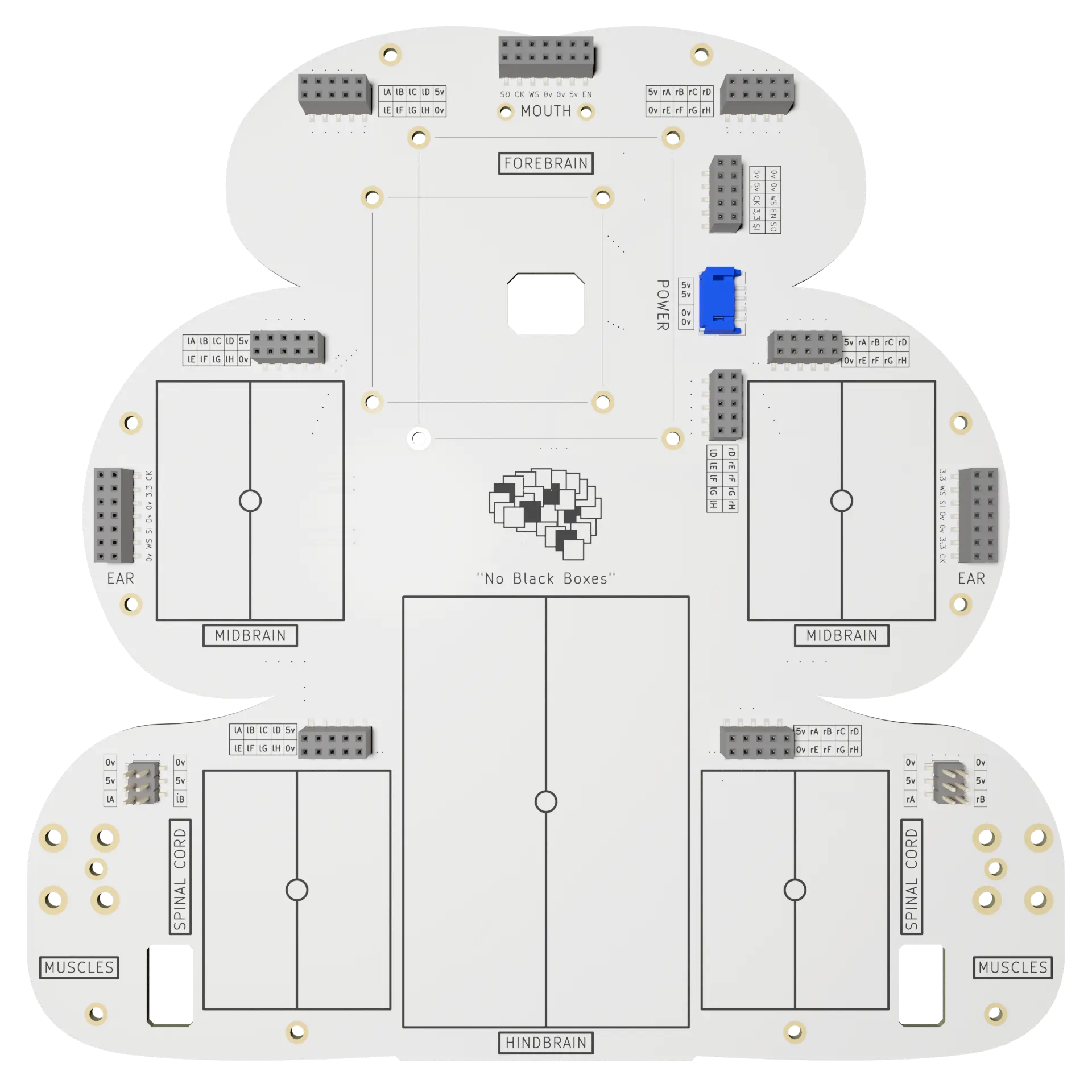
The NB3 Body is a custom-engineered Printed Circuit Board (PCB) — not a generic board, but a framework designed to grow with you. The regulated power board supplies clean, stable voltage to every layer above it. But the design goes further than function: the NB3 is shaped like a vertebrate brain. Spinal cord, hindbrain, midbrain, forebrain — each layer of the robot corresponds to a layer of biological intelligence. You don't just build a robot. You grow an artificial brain.
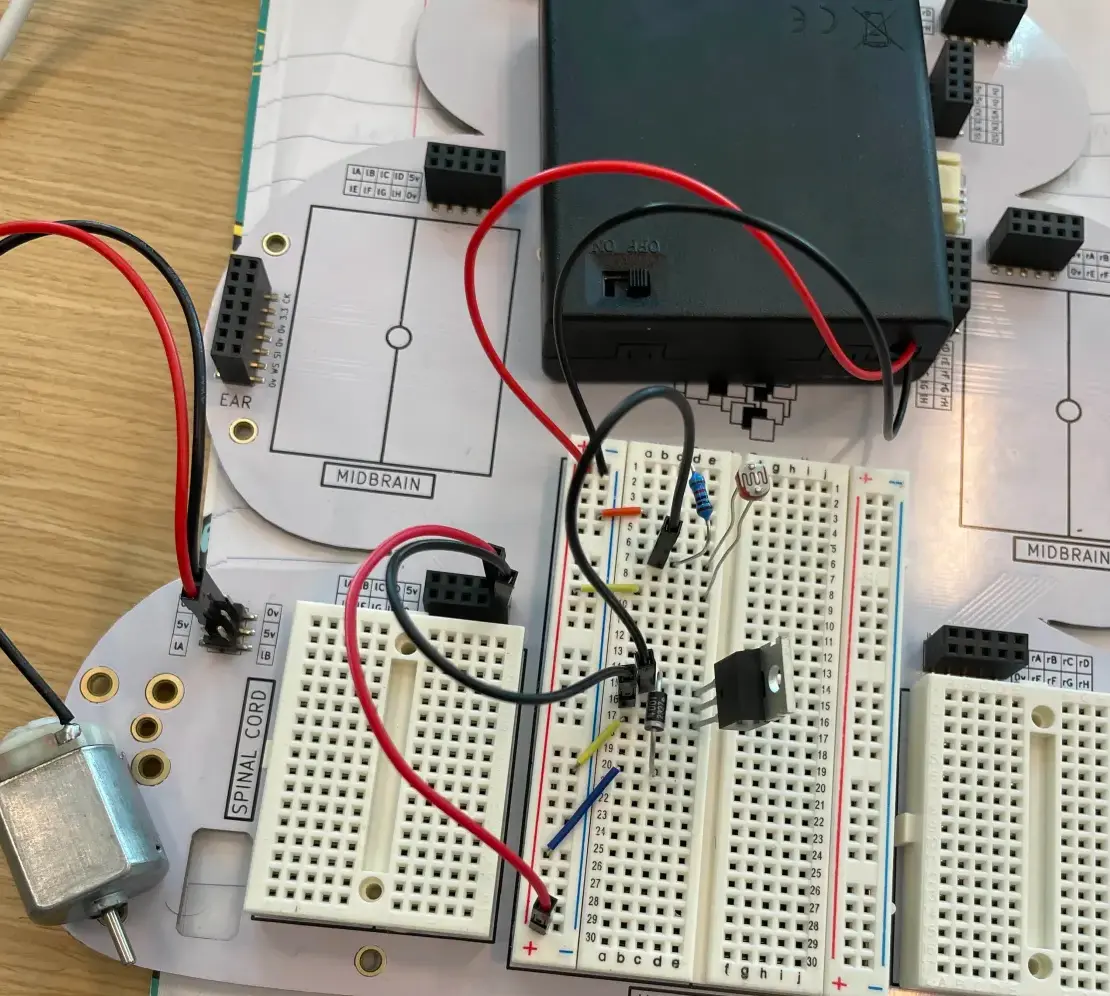
Not a pre-wired shield. Not a module hiding the complexity. Individual components on a breadboard — the same parts that built the modern world, from the first transistor radio to the latest smartphone. You wire them yourself. Nothing is hidden.
A photoresistor that sees light. A thermistor that feels heat. A piezo element that responds to pressure and sound. These are the same transducers used in scientific instruments and industrial systems — and you build every circuit that connects them to the rest of the robot.
Servo motors drive the wheels and handle precision movement. You write the code that controls speed, direction, and position — and you tune the feedback loops that keep the robot on track. Movement that comes from understanding, not from pressing play.
Before the hi-fi speaker goes in, you wind a coil and turn it into a speaker yourself — understanding exactly how magnetism creates sound. By the time the real 3W speaker is mounted, nothing about how it works is a mystery.
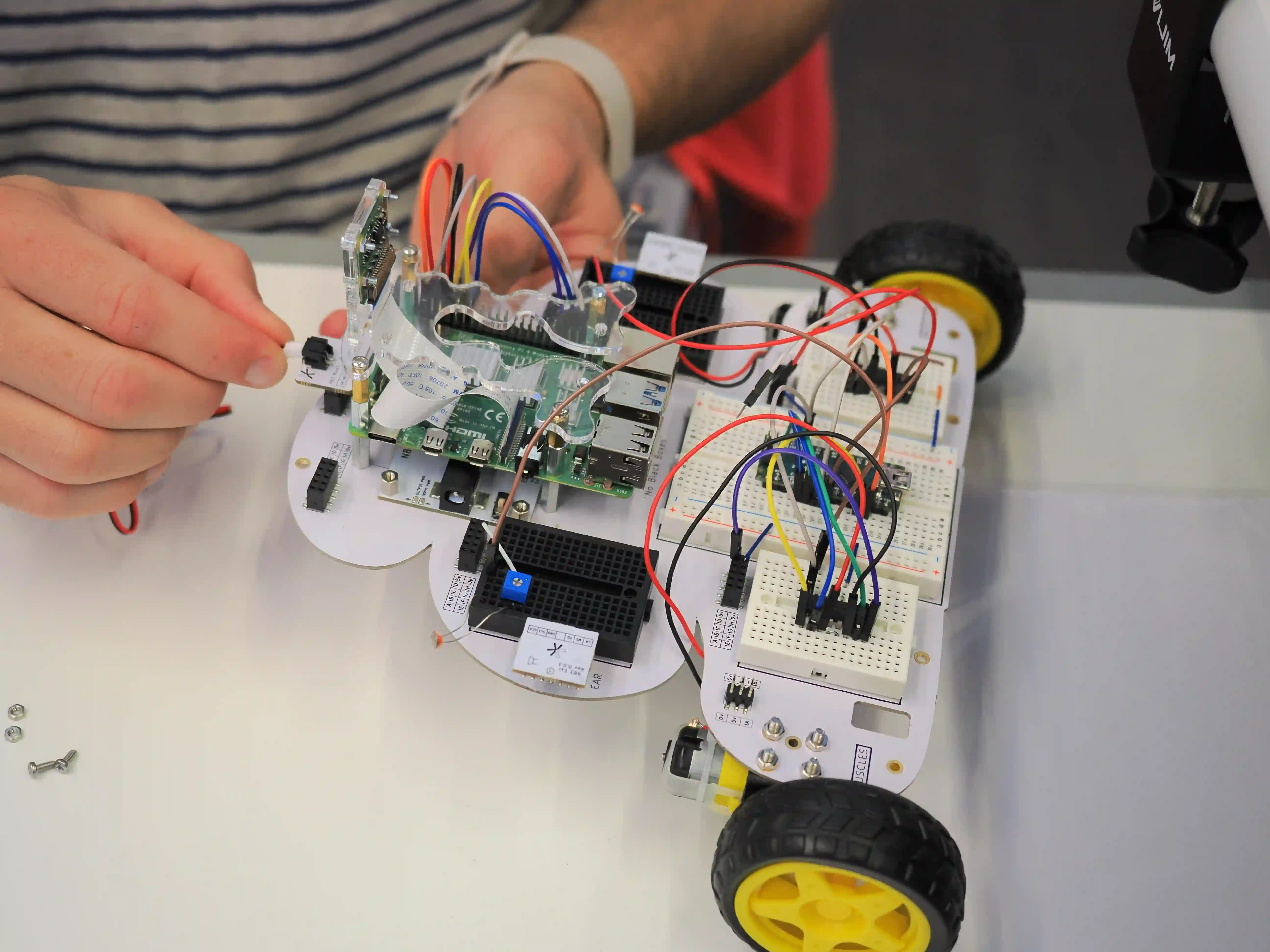
Two I²S MEMS microphones — the same digital microphone technology inside your phone — give your robot stereo hearing. You process the audio in real time and build a sound localiser that tells the robot which direction a sound came from. Hearing, understood from first principles.
The Arduino Nano gives your robot real-time control — motors, sensors, timing — at hardware speed. You write the code in C, from bare registers. No libraries hiding what's happening. No abstraction between you and the machine. The same chip architecture behind thousands of real products.
The Raspberry Pi Camera v3 — 12 megapixels, autofocus — is the same module used in robotics research and computer vision projects worldwide. You write the code that makes it see: detecting objects, tracking colour, processing images in real time. Vision that you understand because you built it.
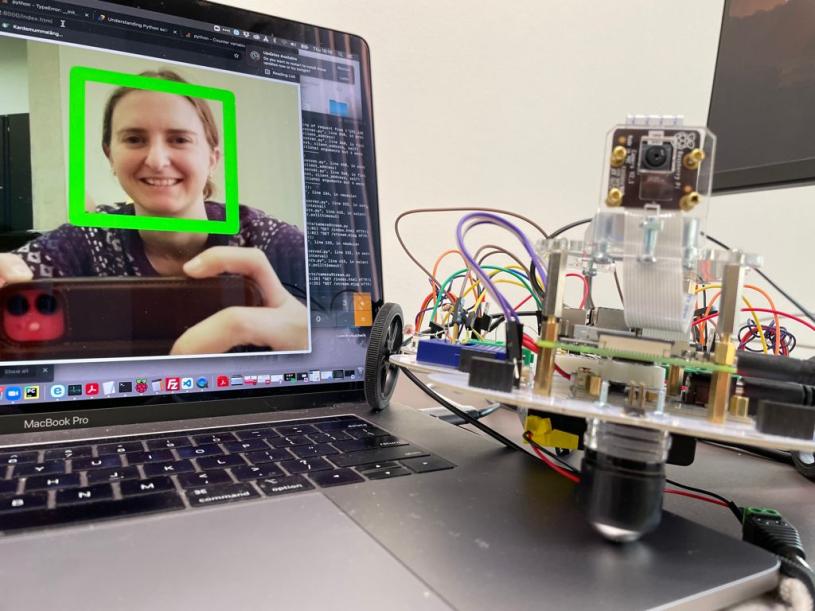
A Raspberry Pi 4b running a full Linux operating system — not a toy computer, not a simulator. The same board used by researchers, engineers, and makers worldwide. You boot it, configure it, connect it to the network, and program it in Python. By the time it goes into the NB3, you understand every layer beneath it — including how to run real AI models directly on the hardware.
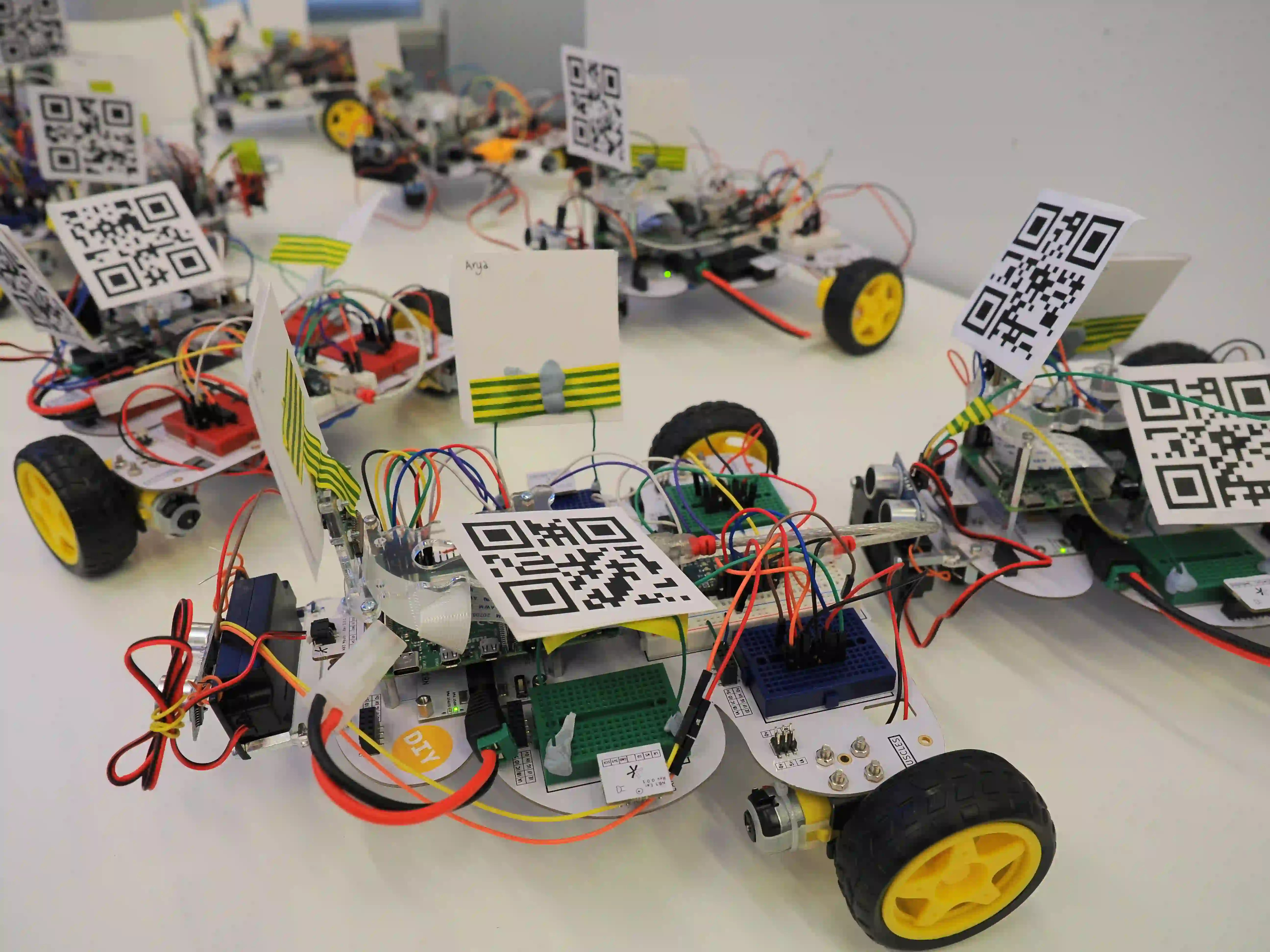
The course ends. The building doesn't.
Every design decision you made is yours to revisit. Every module you learned is a tool you now own. The NB3 supports increasingly advanced projects long after the final lesson — there is no ceiling.
All curriculum materials are open and updated as the field moves. Technology evolves fast — so does the course. What you learn is current, and it stays current. The knowledge belongs to you, permanently.
Complete the curriculum and earn a certificate that proves you built and understood a complete intelligent system. The best projects are shared with our network of labs and companies. Past students have gone on to internships and research placements.