Learn Order the Kit Apply for a course The Kit The hardware The curriculum About Our story Our team Foundation Our mission Governance Partner with us Order the kit
Five days · Live online

Experimental
Science Bootcamp

We explain the mysteries of technology, so you can focus on the mysteries of science. Learn by building. Earn a certificate. Join the network.

Experimental Science Bootcamp
Who is it for The programme What you get Faculty Recognition Fees & apply
Who this course is for

Scientists who depend on
technology they don't understand.

Modern experimental science relies on sensors, acquisition systems, computers, and increasingly on machine learning. Most researchers learn to use these tools, but not how they work. This course changes that.

It's surprising how much you can learn in five days.

Does your research rely on tools you couldn't build or fix yourself?
Do you wish you could design a custom sensor or acquisition system?
Do you want to be ready for the coming era of AI in science?
The programme

Five days.
From Atoms to AI.

Each day you open a new set of black boxes, electronics, computers, networks, vision, AI. By the end of the week nothing is hidden. Every layer understood.

1
Day One
Electronics — Sensors and Motors
Analog electronics · Signal transduction · Actuation

Build circuits for sensing the environment and controlling movement, the same principles behind any acquisition system. Understand how physical signals become electrical signals and how they drive physical action.

Topics & tasks
  • Electrons, voltage, resistors, Ohm's law: Build a voltage divider
  • Light and other sensors: Build a sensor circuit
  • Electromagnetism, DC motors: Mount and spin your motors
  • Transistors, amplifiers: Build a light-controlled motor
  • Closed-loop behaviour: Build a Braitenberg Vehicle
2
Day Two
Computers: Logic, Memory and Microcontrollers
Digital logic · Microprocessors · Real-time control

Understand how logic gates and memory registers are assembled into a programmable processor. Write code in C at the register level, no libraries, no abstraction. Learn why timing matters in experimental hardware.

Topics & tasks
  • Logic gates and memory: Build a logic circuit
  • Processor architecture: Setup a microcontroller with IO
  • C programming, timers: Write real-time sensor and motor code
  • State machines: Design a behavioural controller
3
Day Three
Linux and Python, Operating Systems and Networks
Operating systems · Networking · Data pipelines

Set up a Linux computer from scratch and understand how an operating system manages processes, files, and hardware. Write a communication protocol between your robot and your computer, the same architecture behind most modern experimental pipelines.

Topics & tasks
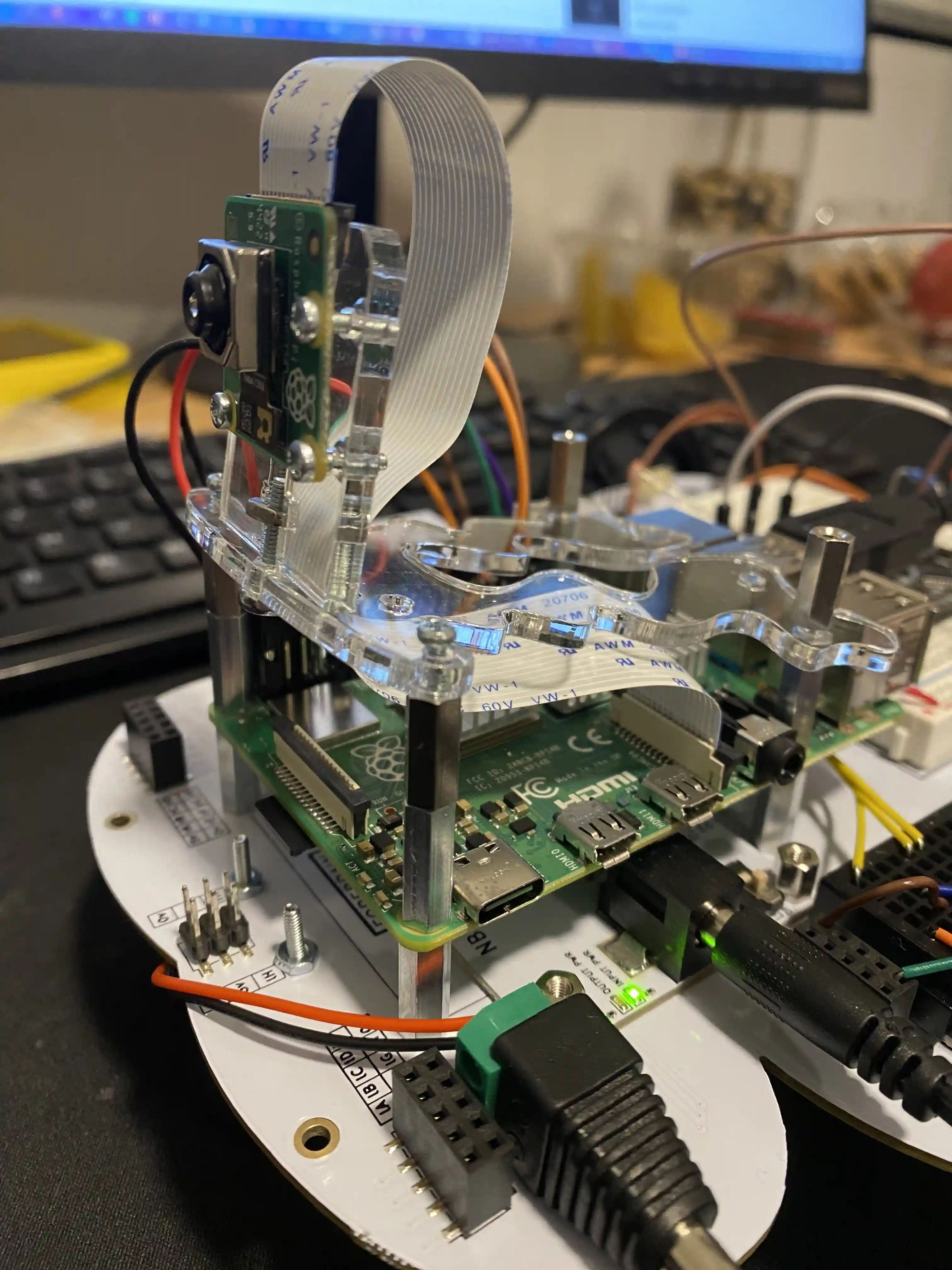
  • Linux setup and navigation: Boot and configure a Raspberry Pi
  • SSH, WiFi, networking: Remotely access your robot
  • Python programming: Write a control and data collection script
  • Serial communication: Build a remote-control system
4
Day Four
Machine Intelligence — Audio and Video Analysis
Image acquisition · Signal processing · Feature extraction

Understand how a camera converts light into a digital image and how that image can be processed to extract meaningful information. Apply background subtraction, thresholding, and image moments to detect and track objects in real time.

Topics & tasks
  • Image representation, colour spaces: Open, process and save images
  • Camera streaming: Attach and livestream a camera
  • Background subtraction, thresholding: Build a motion detector
  • Image moments, classical face detection: Extract and track features
5
Day Five
Machine Learning, Training and Deployment
Neural networks · Training · Deployment · Inference

Understand how a deep neural network learns from data, what training does, what a loss function measures, and how a trained model makes predictions. Train your own classifier from scratch and deploy it on your robot in real time.

Topics & tasks
  • Neural network architecture and training: Train a classifier on your own data
  • Model deployment: Run inference on the robot in real time
  • Single Shot Detector: Deploy a deep face detection network
  • Custom classification: Train a network to identify only your face
What you get

Real skills.
Real independence.

After this course, you will debug faster, design better, and ask questions you couldn't ask before. Not because you became an engineer, because you understand the foundations.

Connect and integrate new hardware into your pipeline without relying on technical support
Use and adapt software tools with genuine understanding rather than just following instructions
Design experiments that weren't previously possible
Originally designed for neuroscience

Developed within the neuroscience research community, at the Champalimaud Foundation, the Cajal Programme, and the Sainsbury Wellcome Centre. The tools and principles it teaches drive progress across all experimental sciences. Now open to researchers in any field.

Faculty

Taught by the
people who built it.

Every year the course is supported by an outstanding group of Teaching Assistants selected from research institutes around the world.

Meet the full teaching team →
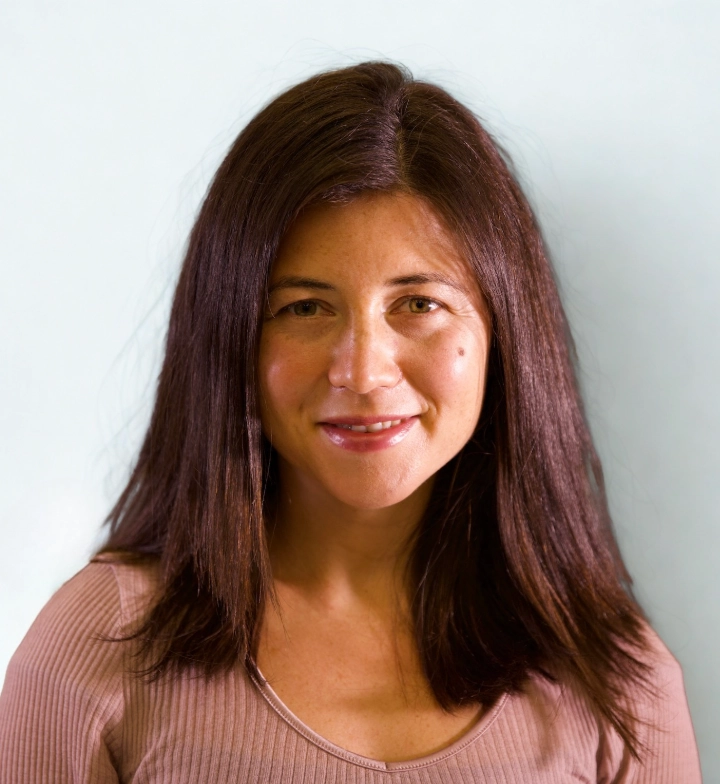
Elena Dreosti
No Black Boxes - UCL, UK
Director
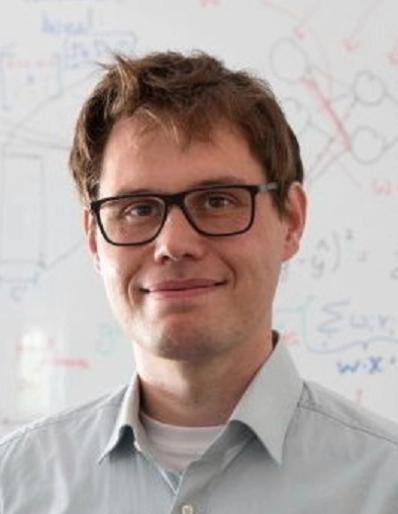
Andreas Kist
Dept. for AIBE, Erlangen, DE
Director
Recognition

Submit a project.
Earn your certificate.

Every participant who completes the course and submits a final project receives an official certificate. But the best projects go further, they are featured on our website and shared directly with our global network of research institutes, labs, and companies.

This is not just a certificate. It is a way to be seen by the right people.

Learn about certification → See the Wall of Fame →
Certificate of Completion
This certifies that
Participant Name
Has successfully completed the
Experimental Science Bootcamp
Fees & registration

Ready to apply?
Here's what's included.

One registration. Everything included — kit, lectures, live sessions, and certificate on completion. Shipped anywhere in the world.

01
Individual
£650

Includes worldwide shipping of the NB3 kit, all lectures, full attendance, and course certificate.

02
Group
£650 + £350 per additional person

£650 for the first participant (including one kit), then £350 per additional participant sharing the same kit. Maximum 3 students per kit.

Applications
Interested in the
next edition?

Express your interest below and we will contact you when applications open for the next edition of the Experimental Science Bootcamp.

Apply now → Express interest → Join our newsletter to be the first to know when applications open.

Be the first to know.

Join our newsletter.